Ads 468x60px

Thursday, August 9, 2012

If you're feeling too important, take a peek at this

No, these aren't cellphones at a darkened stadium concert.

A little larger than that. This is Messier 107. It's just one cluster of stars in our Milky Way.

The Milky Way has more than 150 of these immense star clusters.

And each one of these clusters contains hundreds of thousands of stars.

Dinozaurul Cryolophosaurus – Soparla cu creasta descoperita in Antarctica

Dinozaurul Cryolophosaurus era un urias carnivor care impresiona prin creasta colorata de deasupra capului, aceasta se intindea de la varful botului pana la frunte. Ramasitele sale fosile au fost descoperite in Antarctica si constau in cateva fragmente care au ingreunat munca cercetatorilor in determinarea genului si speciei de reptila preistorica. In urma studiilor indelungate in anul 1994 paleontologii W. R. Hammer si W. J. Hickerson au clasat specia ca fiind unica, nefiind gasita in alta parte pe Glob si au numit-o Cryolophosaurus ellioti.

Socrate sau modestia premiată

„Mulţumesc lui Dumnezeu”, scria Platon, ,,că m-am născut grec, şi nu barbar; bărbat, şi nu femeie; liber, şi nu sclav. Dar, mai ales, îi mulţumesc lui Dumnezeu că m-am născut în veacul lui Socrate.” Socrate este, mai înainte de toate, unul din cazurile rarisime de modestie premiată. Premiată nu de către contemporani, care l-au mai condamnat şi la moarte, ci de generaţiile următoare ce i-au recunoscut nemurirea operelor pe care el nu le-a scris, dar pe care elevii săi şi-au luat sarcina s-o facă.

Foiau în jurul lui, de toate vârstele, de toate condiţiile sociale şi de toate opiniile; de la aristocraticul şi turbulentul Alcibiade, până la nobilul şi seriosul Platon; de la Critias, reacţionarul, la Antistene, socialistul, şi la Aristip, anarhistul. Fiecare din aceştia l-a văzut şi l-a descris pe Maestru în felul său. Şi Diogene Laerţiu povesteşte că, atunci când Socrate a citit descrierea pe care i-o făcuse Platon, a exclamat: ,,Dumnezeule, ce de minciuni a mai turnat şi tinerelul ăsta despre mine!”

Postcard From...Baalbek

The mighty Roman ruins of Baalbek jut dramatically out of the fertile plains of Lebanon's Bekaa valley. They have drawn visitors for centuries, as chronicled in the graffiti of ancient travellers scrawled into the vast limestone walls and columns.

But with the spiralling civil war in neighbouring Syria and numerous countries warning against travel to Lebanon, this tourist season has been a tough one. On a recent trip the touts selling Hezbollah T-shirts and guidebooks outnumbered the smattering of visitors.

Australia’s Greeks Mark 60 Years Since Ventris Broke Linear B

MELBOURNE -To celebrate the 60th anniversary of Michael Ventris’ diciphering of the Bronze Age Aegean Linear B script  – and that it was an early form of Greek – the Greek Orthodox Community of Melbourne and Victoria is holding a celebration on Aug. 12 to honor his groundbreaking work. Ventris passed on his research to the BBC. Linear B validated the Greekness of the Mycenaean civilization.

Ventris’ decipherment was a major breakthrough, supplementing the archaeological investigations of the time by giving scholars access to the textual information recorded in the Linear B tablets about the socio-political, economic and religious facets of life in the Mycenaean world. 

Wednesday, August 8, 2012

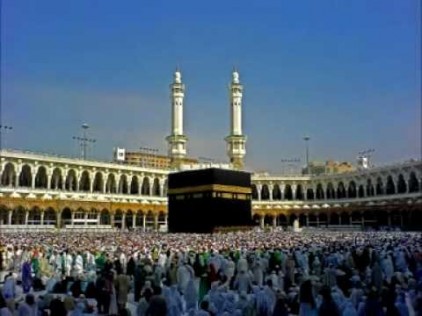
Piatra Neagră de la Mecca

Pentru musulmani, Piatra Neagră este considerat cel mai sacru obiect din lume. Mecca este situată în Arabia Saudită, pe ţărmul Mării Roşii, fiind locul de naştere al profetului Mahomed. Orice musulman îşi doreşte să viziteze Mecca măcar odată înainte de a muri.

Piatra se află în interiorul de la Kaaba (“casă pătrată”), o sală sobră, cu trei coloane, de al cărui plafon atârnă numeroase lămpi din aur şi argint. Pe podeaua din marmură este aşezată această faimoasă piatră care este, de fapt, un ansamblu format din 3 bucăţi mari şi încă câteva fragmente, legate între ele de un cerc de pietre încastrate de un cerc de argint. Diametrul total este de 30 cm, culoare neagră roşiatică sau cu dungi galbene şi roşii, culoarea amintind de lavă sau bazalt.

Mad World – giants and nephilim Is there a cover-up in the findings of evidence for giants?

There   were giants in the earth in those days; and also after that, when the   sons of God came in unto the daughters of men, and they bare children to   them, the same became mighty men which were of old, men of renown. Genesis 6:4

Stretch your mind back to your childhood. What giants do you remember? Jack and the Beanstalk? Hercules? Paul Bunyan? Goliath? What were you told and what did you read? With the exception of Goliath and an occasional ornery cyclops, legends emphasized their innate goodness, eye-popping feats accomplished with unparalleled strength, victories over the bad guys and all performed by “gentle giants”. What if it were all a lie? What if the truth were something much MUCH more sinister?

Angkor Wat: Magical, Mysterious and Mystical

When King Suryavarman II built what was eventually to become his mausoleum in the 12 century, he surely could not have realised that some 900 years later thousands would flock from all over the world, every day, just to look at it. He broke with tradition and instead of dedicating it to Shaivism, as was the custom, he dedicated this particular temple to Vishnu. Walking around the gardens and corridors it is beyond belief that this ancient wonder was built in just 35 years. Christian cathedrals such as Gloucester started during the same era, would take 400 years to complete.

Şase milioane de schelete sunt ascunse sub Oraşul Luminilor

Parisul, supranumit Oraşul Luminilor, are şi o parte întunecată. Este vorba de catacombele care se întind pe mai mult de 300 de kilometri în subteranul oraşului. Numite Imperiul Morţilor, din cauza celor peste 6 milioane de schelete pe care le ascund, catacombele reprezintă atracţia principală pentru turiştii care vor să vadă o altă faţă a Parisului. Atraşi de subiect, jurnaliştii de la CNN au vizitat şi ei oraşul subteran, unde au realizat un reportaj.

Mysteries of the Amarna Pharaohs

The Amarna period of Egyptian history is filled with romantic mysteries and puzzles for generations of archaeologists to debate.

Akhenaten, Smenkhare, and Tutankhamen were the only Eighteenth Dynasty kings of Egypt who lived for any time at Amarna (Akhetaten). Before and after, Egyptian pharaohs ruled from Luxor (Thebes), but even though the heyday of Amarna was fleeting, the period fascinates us because of an imagined connection between the theology of Akhenaten and the beliefs of Judaism, sexual scandal, and the mystery of the genealogy of the Amarna pharaohs. Such is the stuff of not only dreams and fiction, but also scholarly debates -- as recently examined by archaeologist Christine El Mahdy in Tutankhamen.